
Thinking of updating your kitchen this year?
In 2026, Auckland kitchens are stepping away from flat-pack sameness and embracing texture, layered materials, and layout-first functionality. This year's trends blend visual impact with real-life practicality—and the best part is, they’re achievable even in older villas and modern townhouses alike.
Let’s dive into the most popular (and actually usable) kitchen renovation trends we’re seeing across Auckland homes right now.

🔶 1. Whitewashed Oak Cabinetry
Timber is back—but in a more refined, contemporary way.
Whitewashed and limed oak finishes offer soft warmth and pair beautifully with stone-look benchtops and brass fittings.
✔ Moisture-resistant options from Designatek NZ
✔ Works well in both modern and traditional NZ homes
✔ Looks custom, even on a mid-range budget
💬 More on this in our Cost Breakdown Blog
✨ 2. Statement Tapware in Brushed Brass or Gunmetal
Gone are the days of chrome everything. In 2026, tapware is a design feature, not just a fixture.
Top choices:
Brushed brass mixers and pot fillers from ABI Interiors
Matte black or gunmetal tapware for contrast
Pull-out sprays for style + function
👉 Want this look in your kitchen? Book a free design consult
🟩 3. Zellige, Kit-Kat & Vertical Tile Patterns
Splashbacks are getting bold. In 2026, we’re seeing:
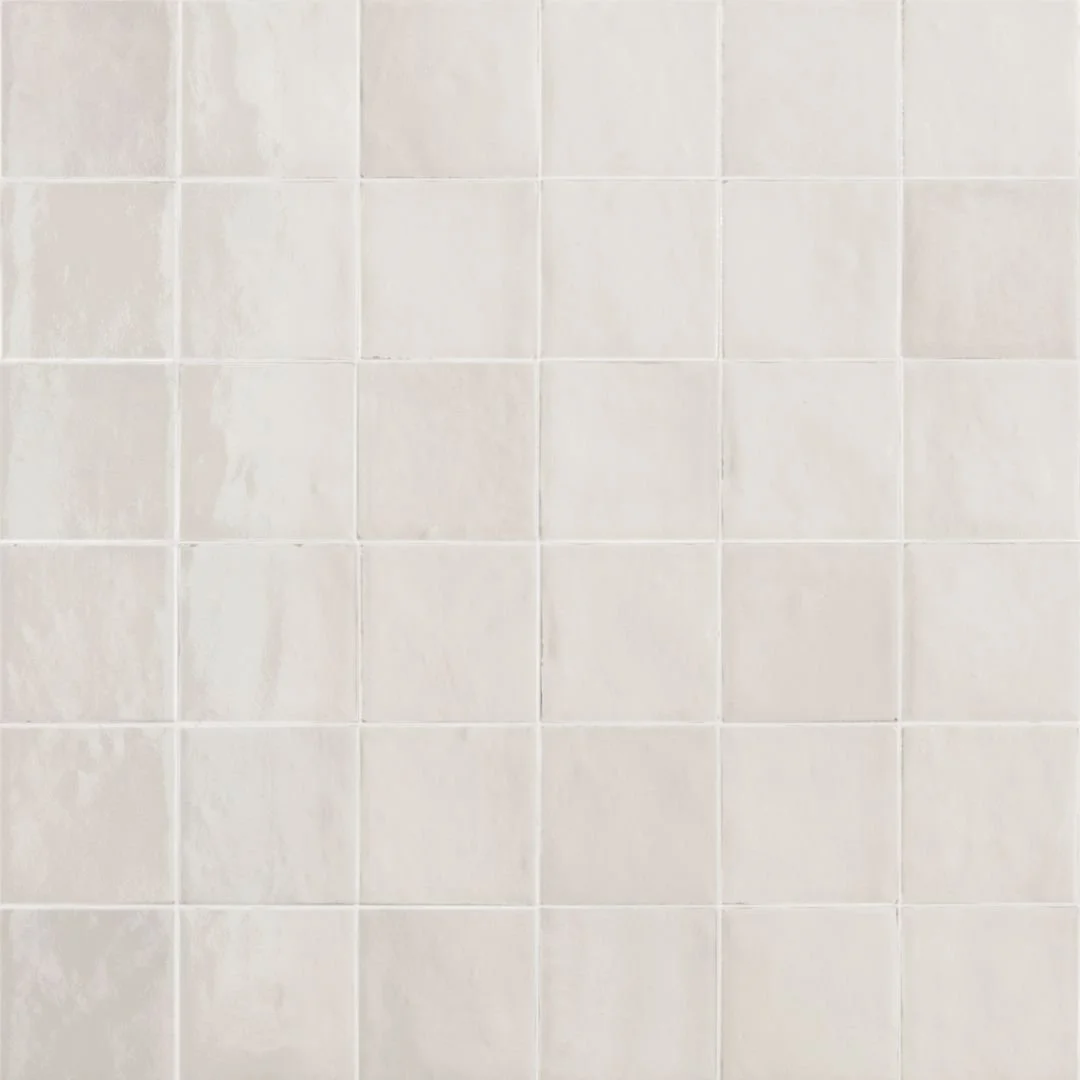
Handmade-look Zellige tiles in white, green, or off-blush tones
Kit-kat mosaics stacked vertically to add visual height
Matching grout for subtle texture, or contrasting grout for punch
💡 We often recommend vertical tiling to elongate smaller kitchens or connect upper cabinetry lines.
Explore more splashback ideas in our Gallery
📐 4. Open Layouts with Hidden Storage
Function is still king—but now it’s hidden behind sleek cabinetry.
Key 2026 features:
Full-height cabinetry with hidden push-to-open pantries
Internal drawers for spice racks and tray dividers
Appliance towers with integrated ovens, fridges, and coffee stations
Sculleries or concealed prep nooks behind pocket doors
This trend blends the clean minimalism people want with the real storage they need.
💬 Read next: What to Include in a Functional, Stylish Kitchen Renovation
🌿 5. Layered Neutrals and Mixed Textures
All-white kitchens are taking a backseat in 2026. Instead, layered neutral tones are trending—think cool creams, warm beige, soft greys, and oak all in one space.
We’re also seeing more:
Subtle stone-look benchtops
Timber shelves paired with shaker-style or flat front cabinetry
Undermount sinks and matching-colour tapware for tone-on-tone cohesion
Need help balancing colours and materials?
👉 Use our Kitchen Estimator Tool to get started.
How to use a trend list without regretting it
The useful way to read any trends article, including this one, is to sort everything into two piles: the expensive layer and the cheap layer.
The expensive layer is the stuff you will not change for fifteen years. Cabinetry, benchtops, layout, appliances. The cheap layer is paint, handles, tapware, splashback, stools, lighting and styling.
Put the trend in the cheap layer. Brushed brass handles can be swapped in an afternoon for a few hundred dollars. Brushed brass everything, including a trend-coloured 2-pac kitchen, is a five-figure commitment to a specific year. The kitchens that still look good a decade later almost always made the big permanent elements calm and timber-toned, and expressed the personality in the parts you can change.
What is genuinely shifting in Auckland kitchens
Beyond the finishes above, these are the structural changes we are actually being asked for, which matter more than colour because they change the plan.
The scullery has gone from luxury to expectation. On any renovation with the space, a second working area behind the main kitchen is now one of the first things clients ask about. It is frequently a better use of a few square metres than a bigger island, because it keeps the mess out of an open-plan living space. See butler's pantry vs scullery.
Induction is replacing gas. Faster, safer with children, far easier to clean, and no combustion products in an open-plan room. Worth checking your switchboard can carry it, which in an older Auckland home is a real question rather than a formality.
Extraction is finally being taken seriously. Properly ducted to outside and sized for the hob, rather than a recirculating filter that moves the smell around the room. In open-plan living this is the difference between a kitchen you can cook in and one you apologise for.
Warmer, more tactile palettes. The all-white-and-grey kitchen is over. Timber tones, clay, mushroom, putty, deep greens and off-whites with warmth in them.
Colour on the joinery, restraint on the rest. A deep green or a soft clay island with timber or neutral perimeter cabinetry is the most requested combination right now.
Softer geometry. Curved island ends, rounded corners, fluted and reeded timber detailing. It reads as considered rather than clinical, and it suits villas surprisingly well.
Closed storage over open shelving. Open shelves photograph beautifully and are relentless to live with. Real kitchens are going back to tall cabinetry and appliance garages.
Bigger, calmer stone. Fewer busy veined slabs, more honed and matte finishes, and where a statement is wanted it tends to be one book-matched feature rather than veining everywhere.
What is dating fastest
Said plainly, because this is where the money gets wasted:
High-gloss white everything. Fingerprints, glare, and it reads as 2015.
Cool grey as the dominant tone. It went from everywhere to instantly recognisable as a particular era.
Handle-less on every cabinet. Beautiful in photographs, and in a family kitchen the push-to-open drawers get pushed open by hips and shut by greasy hands.
Plain white subway tile in a standard running bond. Not wrong, just completely neutral at this point. The handmade and vertical formats in the list above are where that look has moved.
Waterfall ends on every available edge. One is a feature. Three is a showroom.
Matte black tapware in a busy kitchen. It looks superb on day one and it shows water marks and wear on the finish more than brushed metals do. If you love it, accept the upkeep.
Open shelving above the bench. See above.
Which of these actually suit a villa or bungalow
Character homes are where trend-following goes most wrong, because it is easy to renovate away the exact thing that made the house worth more than a 1990s equivalent.
What works: timber tones and warm neutrals, which sit naturally against kauri floors and original trim. Deep colours on joinery, which suit high ceilings. Fluted and reeded detail, which echoes the period without pretending to be it. Full-height cabinetry that uses the stud height. A scullery, which lets you have a modern working kitchen while the visible room stays calm.
What fights the house: very high-gloss handle-less slab doors, aggressively industrial finishes, and dropped ceilings or bulkheads that cut the room's height down to modern proportions. If you are going to spend a villa premium, do not design the villa out of it. Our villa renovation guide goes further into this.
The practical test before you commit
Would you still choose it if it were not popular? If the honest answer is no, put it in the cheap layer.
Get samples home and live with them for a week. Auckland light is different from showroom light, and a warm white can go distinctly pink on a south-facing wall.
Look at it at night under your actual lighting, not just in daylight.
Ask how it is repaired. 2-pac can be touched up. A damaged vinyl-wrapped door is replaced.
Check it against the room it opens onto. In open-plan, the kitchen has to sit with the living space, not compete with it.
None of this changes the budget much, which is the point. An Auckland kitchen runs roughly $45,000 to $70,000 mid-range, with high-end above $70,000, and what pushes it past that is structural change rather than which colour you chose. The breakdown is in our kitchen cost guide, and the performance side of choosing surfaces is covered in best materials for high-end kitchens.
🛋 Bonus: Soft Furnishings + Styled Kitchen Corners
With more open-plan living in Auckland homes, kitchens are being styled like living spaces.
✅ Mix in pendant lights over the island
✅ Add a small coffee bar nook with feature shelving
✅ Style corners with vases, linen runners, or small artwork
📸 Want inspiration for your Pinterest board?
Explore our latest kitchen transformations
📌 Summary: What’s Trending in Auckland Kitchens for 2026
White oak cabinetry with stone-look benchtops
Brushed brass tapware from ABI Interiors NZ
Textured tile splashbacks in Zellige and kit-kat
Hidden storage + open flow layouts
Layered neutral palettes with soft furnishings
—
👇 Want to Bring These Trends into Your Kitchen?
We design kitchens that are trendy, practical, and timeless—tailored to the way you live.
👉 Book Your Free Design Consult
📍 Serving all of Auckland
🛠 Or try the Kitchen Estimator Tool