
Thinking of selling? Learn what renovations give the best return in Auckland’s property market.
Not all renovations are created equal—especially when your goal is to sell. If you're preparing your Auckland home for market, it's smart to focus on the upgrades that add real value, not just aesthetic appeal.
At Key Interiors, we help homeowners maximise ROI by targeting the rooms and details that matter most to buyers. Here's your no-fluff guide to the best renovations for resale NZ homeowners are investing in—plus where to avoid overspending.

💰 Renovation ROI: The Golden Rule
Renovate to appeal to the market you’re selling to, not just your personal style. The sweet spot? Spending 1–2% of your home’s value on upgrades that boost appeal without overcapitalising.
🏡 Top Renovations That Add the Most Value
1. Kitchens
✔ High-impact
✔ Big selling feature
✔ Expect 75–100%+ ROI when done right
What buyers want:
Stone benchtops or engineered stone
Modern cabinetry (flat-panel or shaker style)
Good lighting and functional layout
Updated appliances, preferably integrated
👉 Check out our Kitchen Cost Breakdown Guide
2. Bathrooms
✔ Often a deal-breaker
✔ Great ROI when smartly done
✔ Budget $20K–$35K for a solid mid-range upgrade
Must-haves:
Clean, neutral tiling
Updated vanity and tapware
Good storage and lighting
Frameless glass or tiled shower
👉 Bathroom Renovation Cost Guide
3. Laundry or Utility Rooms
✔ Underrated but high perceived value
✔ Adds convenience + polish to listing photos
Simple upgrades:
Stacked washer/dryer behind cabinetry
Benchtop with under-mount sink
Soft-close drawers and built-in storage
👉 Laundry Renovation Costs & Trends
4. Paint + Flooring
✔ Low cost, high return
✔ Instantly lifts dated interiors
Focus on:
Fresh, neutral paint throughout (white, soft grey, ecru)
Hybrid, engineered timber, or wool carpet in living/sleeping areas
Avoid anything too trend-driven or bold
5. Staging & Styling
✔ Boosts perceived space and flow
✔ Makes a huge difference to photos and open homes
Quick wins:
Declutter and remove bulky furniture
Use mirrors to expand smaller rooms
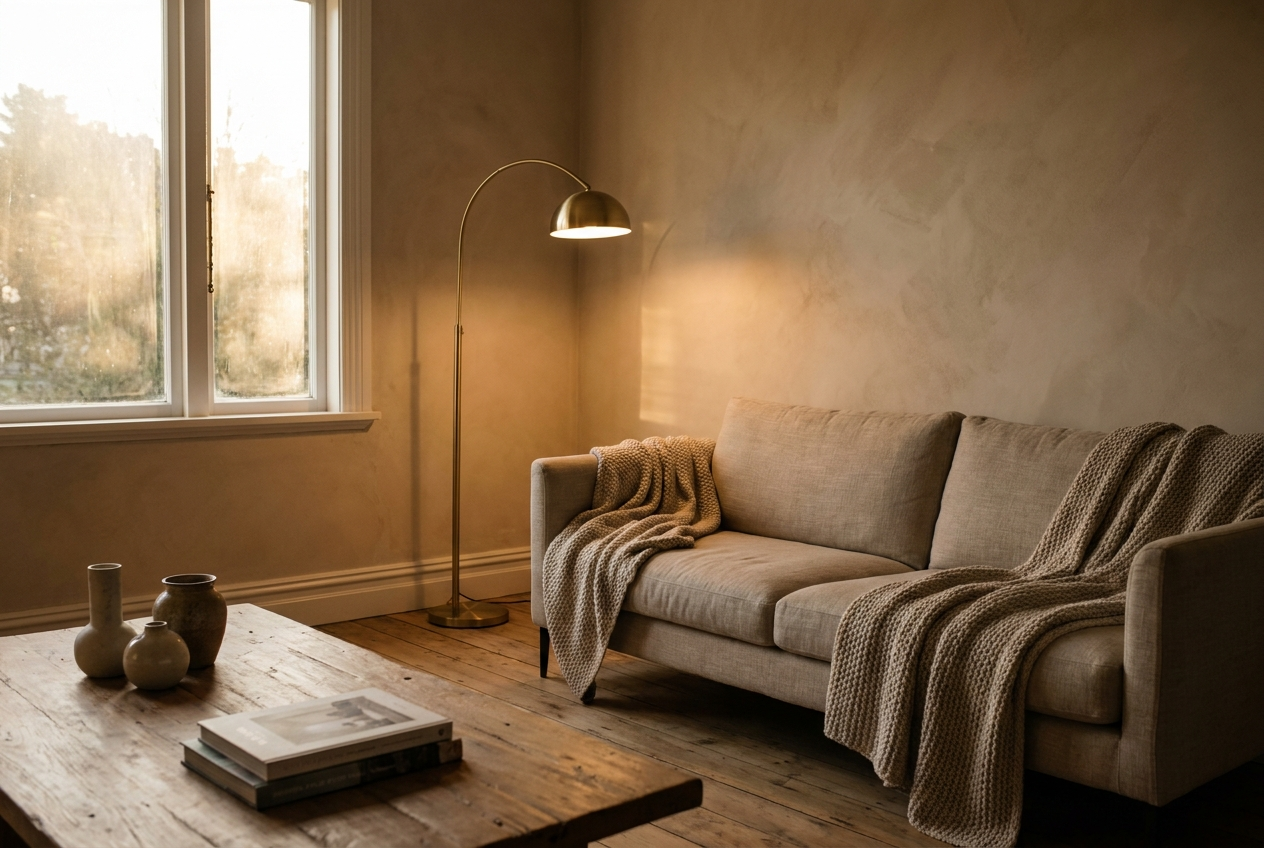
Add warm textures (throws, rugs, lamps) for a welcoming vibe
Professional staging can boost offers by $10K–$50K depending on the market.
🚫 What NOT to Spend On (Pre-Sale)
Fully bespoke cabinetry or high-end appliances
Overly personalised design features (e.g. bold wallpaper, quirky tiling)
Structural changes or large extensions close to sale
Pools, unless targeting luxury buyers
📈 Final Touches That Help Homes Sell Faster
New front door handle and external light
Tidy landscaping or potted plants
Upgrade kitchen tapware (brushed nickel or matte black)
Fresh silicon in bathrooms and around sinks
Stylish handles on wardrobes or cabinets
✅ Recap: Best Resale Renovation Focus Areas
Kitchen refresh with stone tops and neutral cabinetry
Modernised bathroom with clean lines and good lighting
Concealed or well-organised laundry
New paint and floors to brighten and unify
Home staging to maximise appeal and emotional connection
The honest version of renovation ROI
Most articles on this topic imply that renovations reliably return more than they cost. Plenty do not, and it is worth being straight about that before you spend anything.
A renovation adds value in two different ways, and people conflate them. The first is price, the number the property achieves. The second is saleability, how fast it sells and how many people bid. A tidy, move-in-ready home often does not achieve a dramatically higher price per square metre than a tired one in the same street, but it sells faster, to more buyers, with fewer conditions. In a slow market that second effect is worth a great deal and it rarely shows up in a simple cost-versus-value calculation.
The other truth: returns depend far more on where you start than on what you spend. Fixing something that actively puts buyers off, a bathroom with failed waterproofing, a kitchen from 1985, carpet that smells, returns very well. Upgrading an already-good kitchen to an excellent one usually does not.
Every street has a price ceiling
This is the single most expensive mistake in pre-sale renovation, and it has a name: over-capitalising.
Buyers price a house against what else has sold nearby. If homes in your street sell between $1.4m and $1.7m, a $200,000 renovation does not lift you to $1.9m. It lifts you towards the top of the existing band and no further. The money above that band is gone.
Before you commit to a budget, look at what genuinely comparable homes near you have actually sold for, not what they were listed at. Then work backwards. If the gap between your likely price now and the realistic ceiling is $150,000, a $150,000 renovation is already a break-even at best.
This is also why the most profitable pre-sale work is usually the cheapest. Paint, floors, lighting, a decluttered and well-presented house, and fixing whatever is obviously broken. Those move the price up within the band at a fraction of the cost of a structural project.
What actually moves the number in Auckland
A second bathroom. Often the single biggest lift available on a three or four bedroom home that only has one. It changes which buyers will even consider the property, particularly families. Expect a proper job to sit in the $35,000 to $45,000 range, and it usually needs consent.
A genuine extra bedroom. Moving from three bedrooms to four can shift the property into a different search bracket entirely, which is where the real gain comes from. The room has to legitimately qualify as a bedroom, with proper egress, light and ventilation. Calling an internal storage room a fourth bedroom fools nobody and can create problems at sale.
The kitchen, but only if the existing one is genuinely dated. A mid-range kitchen in the $45,000 to $70,000 band is usually the right answer pre-sale. Going to $100,000 rarely returns the difference unless the house is genuinely at the premium end of its street.
Flow and light. Opening a dark, chopped-up rear into a connected living and kitchen space that reaches the garden is consistently one of the best-performing changes on an Auckland villa or bungalow, because it fixes the one thing that genuinely holds those houses back. See removing a load-bearing wall.
Warm, dry and healthy. Insulation, effective extraction, heating, and no visible mould. Buyers have become far more alert to this, and a cold damp house gets marked down regardless of how nice the kitchen is.
Off-street parking, where it is achievable. Undervalued and frequently decisive in inner suburbs.
What to leave alone before selling
Swimming pools. Expensive, and they divide buyers rather than attract them. Never build one to sell.
Anything strongly to your own taste. Bold colours, unusual tile, a highly specific layout. Neutral sells; distinctive is for a home you are staying in.
Expensive landscaping. Tidy, weeded, mown and defined beats designed. The return on a full landscape design pre-sale is poor.
Top-tier appliances and fittings in a mid-market house. Buyers notice a good kitchen. They do not pay a premium for the specific brand of oven.
Solar, smart home systems, luxury add-ons. Rarely recovered at sale.
Anything structural you cannot finish and certify in time. A half-done project is worth less than no project.
The paperwork is part of the value
This gets overlooked and it costs real money at settlement.
Unconsented work shows up on the LIM. A buyer's lawyer will find it, and the response is either a discount, a retention, or a withdrawn offer. If your renovation needed consent, get consent. If there is existing unconsented work on the property, deal with it before you list rather than during negotiation, when you have no leverage and no time.
The same goes for the Code Compliance Certificate. An open consent with no CCC against it is a live problem on the property file. Close it out. Our consent guide explains how.
Keep the file: consents, CCC, producer statements, the waterproofing record, LBP records, appliance warranties. Handing a buyer a complete folder is a genuine selling point, and its absence invites suspicion.
If it is a villa or a bungalow, sell the character
Character buyers in Auckland are paying for something specific, and it is easy to renovate it away.
They want the original detail: the kauri floors, the high ceilings, the architraves, the leadlight, the bay. What they also want is a modern kitchen and bathroom and a house that is warm. The winning formula is almost always restore the front, modernise the back.
What actively reduces value on a character home is stripping the period detail out in favour of a generic modern interior. You lose the premium that made the house worth more than a 1990s equivalent in the first place, and you cannot get it back. There is more in our villa renovation guide.
Timing it properly
Start earlier than feels necessary. A kitchen is several months from first conversation to finished room once design, consent and cabinetry lead times are counted. Work backwards from your intended listing date and add a contingency.
Talk to an agent before you decide the scope, not after. A good local agent will tell you plainly what buyers in your street are actually responding to, and it is frequently cheaper than what you had in mind. That conversation costs nothing and it is the highest-return thing on this page.
Not sure what your project would cost? Use our free renovation estimator for a tailored range based on real Auckland pricing.
Thinking About Selling?
We offer pre-sale renovation consults to help you:
✔ Stay on budget
✔ Target the right updates
✔ Create a polished, sellable home
👉 Explore our renovation pricing guides and services
Frequently Asked Questions
What renovation gives the best return when selling in NZ?
Kitchens and bathrooms consistently deliver the highest ROI, followed by flooring, paint, and laundry areas.
Should I renovate my whole house before selling?
Not always. Target key areas that buyers care about most—kitchens, bathrooms, and first impressions. Cosmetic updates often go further than full rebuilds.
How much should I spend on renovations before listing?
Aim for 1–2% of your home's market value on smart upgrades. Overcapitalising can reduce your profit margin.
Is it worth staging my home?
Yes. Homes that are staged professionally often sell faster and attract stronger offers. It helps buyers picture themselves in the space.